Kitchen Cabinets Moncton: Expert Design, Installation, and Local Suppliers
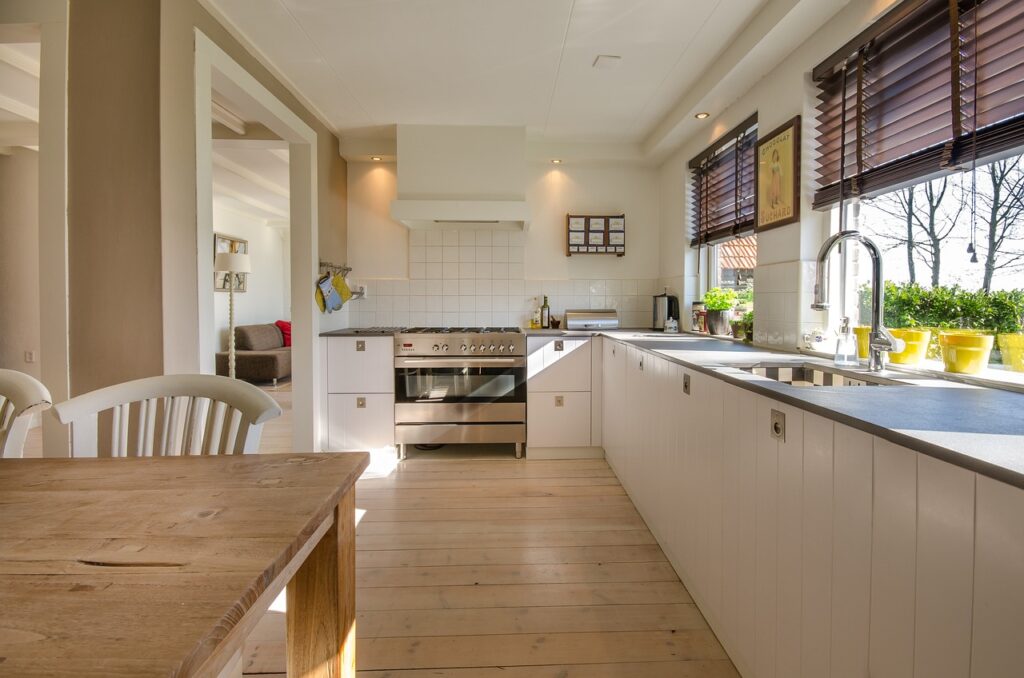
If you want kitchen cabinets in Moncton that fit your lifestyle and budget, this article shows how to choose the right materials and get custom design and installation that actually work for your space. You’ll learn which cabinet materials hold up best in the Maritimes, how custom options can solve storage and layout challenges, and what to expect from local manufacturers and installers.
Plan to compare local makers, from long-established wholesalers to small custom shops, so you can match finish, durability, and cost to your goals. The next sections walk through material choices, the custom design and installation process, and practical tips to make your kitchen cabinets Moncton both stylish and functional.
Choosing the Right Cabinet Materials
Match your budget, expected lifespan, and maintenance willingness to material choices. Focus on where cabinets will be used (high-traffic kitchen vs. pantry) and how much moisture or temperature change they’ll face.
Solid Wood vs. MDF Options
Solid wood offers natural grain, repairability, and strength for face frames and cabinet doors. You get species choices (maple, oak, birch) that differ in hardness and stain response. Expect higher initial cost and potential for seasonal expansion or minor warping without proper finishing.
MDF (medium-density fiberboard) gives smooth, stable surfaces ideal for painted finishes and intricate profiles. It resists splitting and is dimensionally stable compared with solid wood, especially for painted shaker doors. However, MDF swells if exposed to standing water and requires edge banding or solid wood rails at high-stress points.
Consider hybrid builds: plywood boxes with solid-wood doors or MDF door panels combine stability and appearance. Ask local shops in Moncton about warranty on finishes and whether they use marine-grade adhesives or sealed plywood for better moisture resistance.
Durability and Longevity in Moncton’s Climate
Moncton experiences high humidity in summer and cold, dry winters, so material selection must handle expansion and contraction. Plywood cabinet boxes resist delamination and movement better than particleboard under fluctuating humidity, making them a reliable core choice.
Choose finishes with strong moisture barriers: polyurethane or catalyzed conversion varnish on doors and drawer fronts will protect wood fibers. Hardware quality matters—soft-close hinges and drawer slides rated for higher cycles reduce wear over time.
Install ventilation near dishwashers and cooktops to limit localized humidity. If you expect heavy use, specify thicker door stiles and backs, and confirm sealant on cabinet bottoms and end panels to prevent moisture wicking from floors.
Eco-Friendly Cabinet Choices
If you prioritize sustainability, look for FSC-certified wood or reclaimed lumber for doors and visible parts. Ask manufacturers about formaldehyde-free MDF or low-VOC adhesives and finishes to improve indoor air quality in your home.
Plywood made from responsibly sourced veneers and cores typically has a smaller environmental footprint than particleboard that uses more resin. You can also choose water-based finishes and modular cabinet systems that allow door and hardware replacement without full cabinet replacement.
Verify local fabrication options in New Brunswick to reduce transportation emissions. Request environmental product declarations (EPDs) or material safety data sheets (MSDS) when possible to confirm claims.
Custom Design and Installation Process
You’ll get a tailored cabinet style, precise measurements and a clear installation schedule so your project stays on budget and on time. The next steps explain how styles are chosen, how professionals plan and measure, and what to expect during installation.
Tailoring Cabinet Styles to Your Home
Start by identifying the look and function you want: modern slab fronts, shaker doors, inset cabinetry, or a mixed approach for open-plan spaces. Choose materials and finishes that match your lifestyle—solid wood or plywood box construction for durability, melamine or thermofoil for budget-friendly durability, and moisture-resistant options near sinks and dishwashers.
Focus on storage solutions that solve specific needs: pull-out pantry shelves, deep drawers for pots, vertical dividers for baking sheets, and soft-close hinges. Consider countertop and appliance clearances, toe-kick height, and sightlines to windows and islands. Request physical door and finish samples in natural light before finalizing selections to confirm colour and texture.
Professional Measurement and Planning
A certified installer or designer will perform a site visit to record wall lengths, ceiling heights, window and door locations, and the exact positions of plumbing and electrical. Expect a floor plan, elevation drawings, and a cut list; these documents reduce surprises during fabrication and installation.
Professionals will check for irregularities—out-of-plumb walls, bowed floors, or uneven studs—and note required modifications such as scribing panels or filler strips. Confirm appliance model numbers and handle hardware choices up front so clearances and mounting details are accurate. Sign a detailed contract that lists materials, lead times, warranty terms, and payment milestones.
Installation Timeline and What to Expect
Typical installation follows three phases: demolition and site prep (1 day), cabinet installation (1–3 days for an average kitchen), and finishing work—countertops, trim, hardware, and hookups (1–4 days). Larger or custom jobs, or projects needing structural changes, add time; ask for a written schedule with buffer days for delays.
During install, expect plumbers or electricians to return for final connections; keep a clear pathway for crew access and protect adjacent rooms from dust. Inspect work daily—verify cabinet alignment, door gaps, and drawer operation. Hold final payment until punch-list items are fixed and you receive warranty paperwork and care instructions.
About The Author

 Carpet Retailers Near Me: Expert Guide to Finding Quality Local Flooring
  Landfill Diversion Strategies for Businesses and Municipalities
  Field Workforce Management Software: Optimize Scheduling, Tracking, and Productivity
  Deck Repair Near Me: Affordable Local Solutions for Rot and Structural Damage