

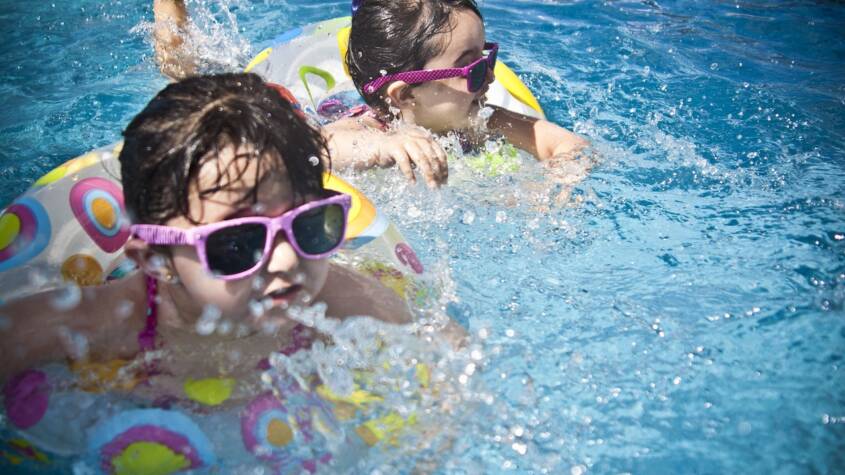
Swimming classes for adults are designed to accommodate a range of skill levels, from complete beginners to experienced swimmers looking to improve their technique. These classes often have small group sizes to ensure personalized attention and typically run for several sessions. Adult swimming lessons focus on building water confidence, safety skills, and efficient stroke techniques.
Many programs allow participants to set their own goals, making the learning experience flexible and tailored to individual needs. Some classes emphasize comfort in the water through basic exercises, while others work on refining advanced swimming skills. This approach helps adults progress at a comfortable pace.
Adult swim classes are available year-round in various formats, including group lessons and private sessions. They provide a supportive environment for anyone wanting to learn or enhance their swimming abilities, regardless of age or prior experience.
Benefits of Swimming Classes for Adults
Swimming classes adults offer practical improvements in fitness, mental health, and self-assurance. Participants gain physical strength and flexibility while experiencing a reduction in stress and an increase in personal confidence.
Physical Health Advantages
Swimming is a low-impact exercise that minimizes joint stress while engaging major muscle groups. It improves cardiovascular endurance and strengthens muscles in the arms, legs, core, and back.
This activity is especially beneficial for individuals with arthritis or injuries, as it supports movement without harsh pressure on bones or joints. Regular swimming also enhances flexibility and balance, reducing the risk of falls.
The full-body nature of swimming promotes calorie burning and helps maintain a healthy weight. Adults who join swimming classes see increases in stamina and muscle tone over time.
Mental Wellbeing and Stress Relief
Swimming provides a calming effect that contributes to mental health benefits. The repetitive nature of strokes paired with controlled breathing helps reduce anxiety.
Participation in swim lessons encourages the release of endorphins, natural mood boosters that alleviate feelings of stress and depression. The water’s soothing properties create an environment conducive to relaxation.
Regular swimming has been linked to improved sleep quality due to its effect on the nervous system. This makes swimming a useful tool in managing everyday stress and promoting emotional balance.
Confidence Building
Learning to swim or improving swimming skills fosters a strong sense of accomplishment for adults. Mastery of new techniques boosts self-esteem and motivation.
Private or group classes provide safe, supportive settings where adults can progress at their own pace. Overcoming initial fears of water or discomfort turns into lasting confidence in the pool and beyond.
Confidence gained in swimming often translates into a willingness to try other physical activities. This positive mindset encourages continued engagement in healthy exercise routines.
Finding the Right Swimming Class for Adults
Selecting an appropriate adult swimming class involves understanding current skill levels, exploring available class formats, and ensuring the instructor has proper certification. These factors help individuals find a program that matches their needs and learning style.
Assessing Skill Levels
Before enrolling, adults should honestly evaluate their swimming skills. Beginners might require classes that focus on water safety and basic strokes, while experienced swimmers benefit from sessions that improve technique and endurance.
Many programs offer assessments or introductory sessions to help place participants at the right level. This approach prevents frustration and promotes steady progress by matching instruction to abilities.
Setting clear personal goals, such as gaining water confidence or learning specific strokes, guides the choice of class. Some facilities provide evaluations to recommend beginner, intermediate, or advanced courses accordingly.
Class Formats and Sizes
Adult swimming classes come in various formats: group lessons, private sessions, or semi-private classes. Group lessons provide social interaction and cost efficiency, but private lessons offer personalized attention and faster improvement.
Class sizes vary, typically ranging from small groups of 4-6 to larger groups of 10 or more. Smaller classes allow instructors to focus on individual needs, while larger classes may feel less personalized.
Schedule flexibility is also important. Some programs allow participants to sign up anytime without waitlists, supporting busy adult lifestyles.
Choosing Certified Instructors
Instructor qualifications are critical for safety and effective learning. Certified instructors typically hold credentials from recognized organizations like the American Red Cross or Swim Coaches Association.
Professional instructors understand adult learning styles and tailor lessons accordingly. They also emphasize water safety and proper technique.
Verifying instructor certification can be done by asking the program or checking online. This ensures the class meets quality standards and that the instructor is trained to handle diverse skill levels.

British Virgin Islands Company Registration Guide for 2025 Compliance and Benefits
The British Virgin Islands Company Registration process is straightforward, efficient, and…





Digital Marketing Companies in Toronto: Driving Success in a Competitive Landscape
Toronto is home to a vibrant community of digital marketing companies, each offering a …