

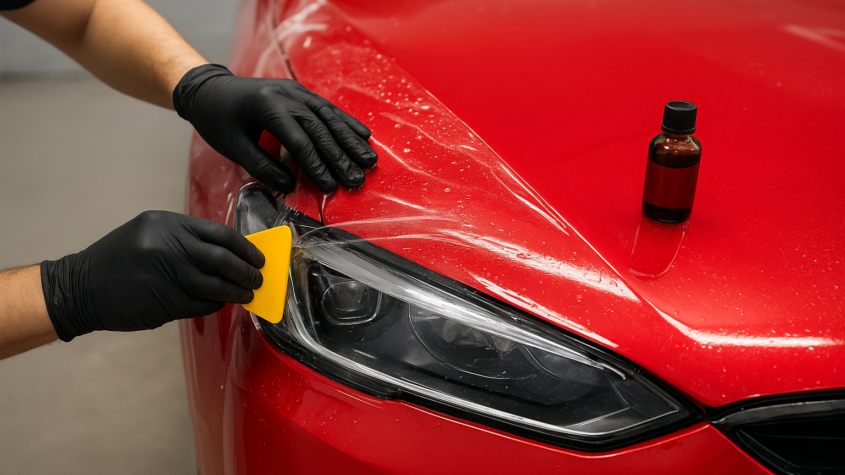
Paint protection film (PPF) is a clear, durable vinyl layer applied to a vehicle’s painted surfaces to shield it from scratches, stone chips, and environmental damage. It offers a practical way to preserve the car’s appearance and paint finish without altering its original look. This type of film is designed to withstand harsh conditions while maintaining flexibility and clarity.
Many vehicle owners choose PPF for its long-lasting protection and ease of maintenance. Available in pre-cut kits or custom rolls, the film can be professionally installed to cover vulnerable areas or the entire body. PPF also helps protect against UV exposure, preventing paint fading over time.
With several reputable brands like 3M, XPEL, and SunTek offering different thicknesses and features, buyers can select options based on durability and price. Understanding these differences can help decide which paint protection film best suits a vehicle’s needs and driving conditions.
What Is Paint Protection Film?
Paint protection film (PPF) is a transparent urethane layer applied to a vehicle’s surface. It shields the paint from physical damage and environmental factors. The film’s design, types, and advantages contribute to its effectiveness in preserving a car’s exterior.
How Paint Protection Film Works
PPF functions as a clear barrier between the vehicle’s paint and external hazards like rock chips, scratches, and chemical stains. It uses a flexible urethane material that absorbs impacts and reduces damage. The film often features self-healing properties, allowing minor scratches to disappear when exposed to heat.
Installation involves carefully applying the film to the car’s body panels. It adheres securely without altering the paint’s appearance or texture. Over time, it protects against UV rays, preventing fading and maintaining the paint’s original color.
Types of Paint Protection Film
Paint protection film varies by thickness, flexibility, and technology. Common types include:
- Standard PPF: Basic protection with scratch resistance and UV defense.
- Self-Healing PPF: Uses advanced polymers that recover from small abrasions.
- Matte Finish PPF: Provides protection while maintaining a matte paint look.
- Clear Bra: A term often used interchangeably with PPF, emphasizing clarity and invisibility.
Thickness usually ranges from 6 to 8 mils (thousandths of an inch), balancing durability and visual discreteness. The choice of film depends on the driver’s needs and budget.
Benefits of Paint Protection Film
PPF offers several clear advantages for vehicle owners. It prevents chips and scratches, especially on high-impact areas like bumpers and rocker panels. The film helps maintain the vehicle’s resale value by keeping the paint pristine.
Additional benefits include resistance to UV damage, which reduces paint fading. PPF also acts as a barrier against dirt, road salts, and environmental contaminants. Self-healing films extend the lifespan by repairing minor surface damage automatically, reducing maintenance costs.
Choosing and Maintaining Paint Protection Film
Selecting the right paint protection film and caring for it properly are essential to preserving a vehicle’s finish and extending the film’s lifespan. Factors like durability, installation methods, and routine cleaning directly impact the performance and appearance of the paint protection film.
Factors to Consider Before Installation
Before installation, the vehicle owner should evaluate the film’s durability, thickness, and UV resistance. High-quality films offer self-healing properties that help minor scratches disappear with heat exposure. Thickness varies from 6 to 8 mils, which affects protection against road debris and impact.
Warranty terms are a critical consideration, as reputable manufacturers often provide coverage for yellowing, cracking, or peeling. Choosing a film that matches the vehicle’s use—daily driving, sports, or luxury—is important. Films with strong UV blockers prevent paint fading, making them especially valuable in sunny climates.
Professional vs. DIY Application
Professional installation is recommended due to the precision and skill required. Experts use specialized tools and climate-controlled environments to ensure a smooth, bubble-free application. This reduces the risk of damage to the film or vehicle paint during fitting.
DIY kits exist but often lack the quality and fit accuracy of professional work. Incorrect installation may lead to peeling, trapped dirt, or visible edges, compromising protection and aesthetics. Owners without experience risk voiding manufacturer warranties. Professional installation ensures the film performs as intended with long-lasting adhesion.
Cleaning and Maintenance Tips
Maintaining paint protection film involves regular, gentle cleaning to prevent buildup and damage. It is best to rinse loose dirt with a low-pressure hose before washing. Use only pH-neutral car shampoos to avoid degrading the film’s surface.
Hand washing with a microfiber mitt minimizes the risk of scratching. Avoid automatic car washes with harsh brushes. Drying the surface with a soft cloth helps prevent water spots. Regular cleaning preserves the film’s clarity and self-healing properties for maximum protection and appearance.
British Virgin Islands Company Registration Guide for 2025 Compliance and Benefits
The British Virgin Islands Company Registration process is straightforward, efficient, and…





Digital Marketing Companies in Toronto: Driving Success in a Competitive Landscape
Toronto is home to a vibrant community of digital marketing companies, each offering a …