SEO Agency Toronto: Proven Strategies to Grow Local Visibility and Traffic
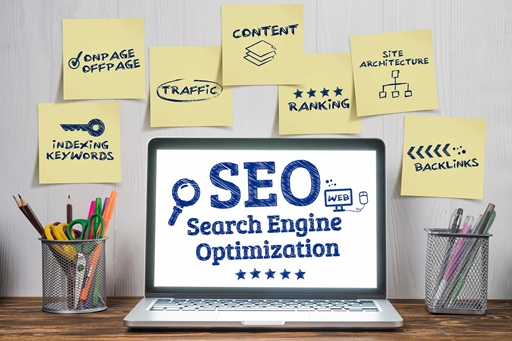
You want an SEO agency in Toronto that turns search visibility into measurable business growth. A focused local SEO partner will improve your rankings, drive relevant traffic, and help convert searches into customers so your investment pays off.
This post SEO Agency Toronto breaks down the core digital marketing services you should expect—technical SEO, local and content strategies, link building, and analytics—so you can compare capabilities and outcomes. You’ll also get practical guidance for choosing a specialized partner that fits your industry, budget, and growth goals.
Core Digital Marketing Services
You’ll get technical fixes that improve crawlability, local signals that increase visibility for Toronto searches, content engineered for user intent, and measurement systems that link activity to outcomes. Each area aligns with practical steps you can track and validate.
Technical SEO Strategies
You must ensure your site is indexable and fast. Start with a site crawl to identify broken links, duplicate content, XML sitemap issues, and robots.txt blockers. Fix canonical tags and hreflang settings if you run multilingual pages.
Page speed matters for rankings and conversions. Optimize images, enable Brotli or gzip compression, implement HTTP/2, and use critical CSS to reduce render-blocking resources. Audit mobile rendering and fix layout shifts (CLS) and long input delays (LCP, FID).
Structured data helps search engines surface rich results. Add schema for local business, products, FAQs, and reviews where relevant. Monitor server logs to see how bots access your pages and prioritize fixes by organic traffic impact.
Local Search Optimization
You need accurate, consistent local signals across platforms. Claim and verify your Google Business Profile, then fill every field—hours, primary category, high-quality photos, and Q&A. Use the same business name, address, and phone number (NAP) format across directories.
Target locality in on-page elements: city-specific title tags, descriptive meta descriptions, and schema.org LocalBusiness markup. Build local citations on reputable sites like regional directories, chamber of commerce pages, and industry associations.
Manage reviews strategically. Respond to reviews within 48 hours, encourage customers to leave detailed reviews, and address negative feedback with corrective actions. Track local pack rankings and map impressions to identify neighborhoods or keywords where you need to improve visibility.
Content Development
Create content that aligns with specific user intent and purchase stages. Use keyword research to map pages: informational topics for blog posts, comparison pages for mid-funnel, and optimized product/service pages for conversion intent. Prioritize topics based on search volume and conversion potential.
Write for clarity and utility. Use descriptive headings, bullet lists, and tables to make complex information scannable. Include data, case studies, or local references to establish relevance for Toronto audiences. Avoid thin pages; each piece should target a clear primary keyword and 800–2,500+ words as needed for topic depth.
Repurpose high-performing content into FAQs, video transcripts, and local landing pages. Maintain an editorial calendar and measure content ROI to refine topics and formats over time.
Analytics and Performance Tracking
You must measure traffic, engagement, and business outcomes, not just rankings. Implement GA4 and configure conversion events for form submissions, phone clicks, bookings, and e-commerce transactions. Link Google Business Profile and Search Console for a unified view of impressions and actions.
Use a dashboard to monitor KPIs: organic sessions, conversion rate, assisted conversions, and average position for priority keywords. Set up annotation and change logs to correlate SEO actions with performance shifts.
Run controlled tests for major changes. Use A/B or split-URL tests for title tags and meta descriptions, and validate technical fixes with before/after metrics. Regularly audit tracking accuracy to prevent data loss from tag errors or consent changes.
Choosing a Specialized Partner
Decide on a partner that aligns with your vertical, has verifiable local results, and can build a bespoke plan that fits your budget and growth timeline.
Industry Experience in Toronto
You need an agency that understands Toronto’s market nuances: multilingual audiences, municipal regulations, and local consumer behavior across neighborhoods like Downtown, Scarborough, and North York. Ask for examples of campaigns targeting Toronto ZIP/postal codes, local keyword sets, and citations on Canadian directories.
Look for sector-specific expertise—healthcare, legal, e-commerce, or SaaS—because technical requirements differ. For healthcare SEO, confirm familiarity with PHIPA and medical content standards. For e-commerce, verify experience with product schema, marketplace integration, and seasonal inventory spikes.
Request a short case preview showing target keywords, traffic lift, and conversion metrics from a Toronto client. That proof helps you judge if their local strategies, link sources, and content angles will work for your business.
Client Success Stories
Insist on client stories with measurable outcomes, not vague praise. Good success stories include baseline KPIs, timeline, and the tactics used—e.g., on-page restructuring, local citation cleanup, or a technical crawl-fix that reduced load time by X seconds and improved rankings.
Ask for references you can contact and for access to a sanitized report or dashboard. Verify claims like “doubled organic traffic” by checking the time frame, traffic sources, and whether conversions also improved. Look for repeatable methods shown across multiple clients.
Pay attention to retention and churn rates. Agencies that keep clients for 12+ months usually provide ongoing optimization and transparent reporting. Short-term spikes without sustained gains suggest tactics that won’t scale.
Custom Solutions for Businesses
Your business isn’t cookie-cutter; the agency’s plan shouldn’t be either. Expect a tailored roadmap covering technical SEO, content strategy, local listings, and conversion optimization, with explicit milestones and budget allocation.
Demand a phased proposal: audit → quick fixes → content & link building → measurement. Each phase should list deliverables, responsible parties, and success metrics (rankings, organic sessions, leads). Ensure they propose specific tools and reporting cadence—monthly dashboards, quarterly strategy reviews, and a designated account lead.
Confirm flexibility for scope changes and a clear change-order process. That protects you when priorities shift, like a product launch or a regulatory update affecting your site.
About The Author

 Deck Repair Near Me: Affordable Local Solutions for Rot and Structural Damage
  Waterloo Realtor: Expert Local Guidance for Buyers and Sellers
  Buy Pasties Online: Expert Guide to Styles, Fit, and Safe Shopping
  Digital Marketing Vancouver: A Practical Guide to Services, Strategies, and Agencies
  Landfill Diversion Strategies for Businesses and Municipalities
  Field Workforce Management Software: Optimize Scheduling, Tracking, and Productivity
  Carpet Retailers Near Me: Expert Guide to Finding Quality Local Flooring