Furnace Repair: Quick Diagnostics, Cost Estimates, and Trusted Technicians
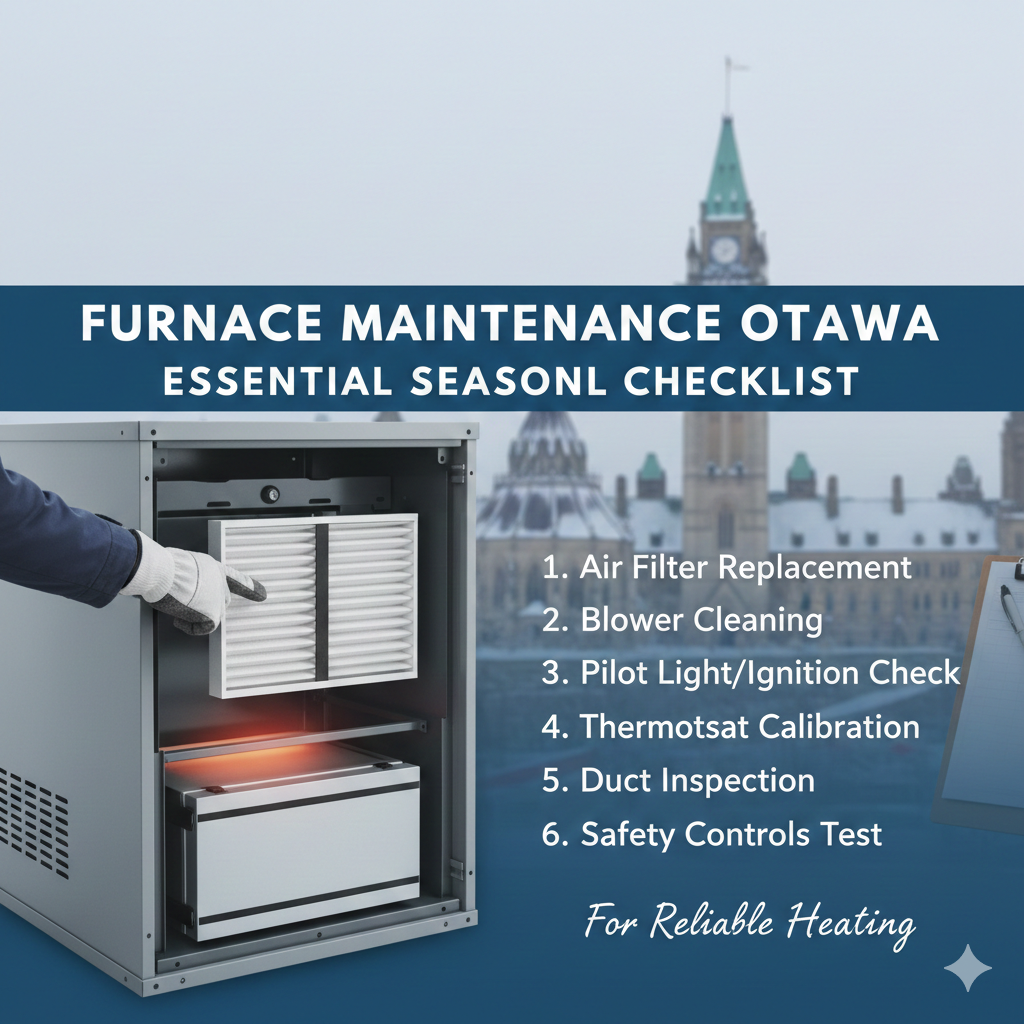
You rely on your furnace to keep your home safe and comfortable, and when it falters you need clear steps to spot the problem and get it fixed fast. If your furnace makes unusual noises, blows cold air, cycles on and off, or fails to start, these signs usually point to common issues you can diagnose quickly or hand off to a qualified technician.
This post Furnace Repair shows how to recognize the most frequent heating problems, how to troubleshoot them safely, and when to call a licensed pro so you avoid costly mistakes. Follow practical, confident guidance to restore reliable heat and decide whether a simple fix or professional repair is the right next step.
Recognizing Common Heating Issues
You’ll learn the specific signs that your furnace needs attention and the typical reasons rooms heat unevenly. Quick checks you can do include listening for unusual sounds, scanning vents for airflow, and noting temperature differences between rooms.
Warning Signs of a Malfunctioning Furnace
Watch for these clear, actionable signs: the furnace cycles on and off rapidly (short cycling), produces persistent clicking, banging, or grinding noises, or blows cold air when the thermostat is calling for heat. Smell of gas, rotten-egg odor, or visible yellow pilot flame (on older systems) require immediate professional attention.
Check the thermostat first: dead batteries, incorrect settings, or loose wiring often mimic furnace failure. Inspect the air filter; a clogged filter reduces airflow and forces the blower to work harder. Look at the burner and ignition area—soot, flaky deposits, or a weak flame indicate combustion issues. Keep a log of when problems occur (time of day, thermostat setting, weather) to help a technician diagnose intermittent faults.
Causes of Uneven Heat Distribution
Uneven heating usually stems from airflow and distribution problems rather than the furnace producing uneven heat. Start by checking supply and return vents—blocked, closed, or undersized vents cause cold rooms. Furniture, curtains, or carpets can obstruct floor or wall registers.
Duct issues are common: leaks, disconnected sections, or poor duct design create pressure imbalances that starve some rooms of warm air. Insufficient insulation in exterior walls or single-pane windows can make a room feel colder despite adequate airflow. Also consider zoning and damper settings; a misadjusted damper or malfunctioning zone control can divert heat away from occupied areas. Use a simple room-by-room temperature check and a visual duct inspection to narrow the likely cause before scheduling repairs.
Steps for Safe and Effective Troubleshooting
You will take safety-first actions, run a few targeted checks to isolate common faults, and perform basic maintenance that prevents repeat issues. Follow each step methodically and stop if a task feels unsafe or beyond your tools and skills.
Essential Safety Precautions
Turn off power to the furnace at the service switch and the breaker before opening any access panels. Verify the unit is de-energized with a non-contact voltage tester if you have one.
Shut off the gas supply at the valve for gas furnaces before inspecting burners or the gas valve. If you smell gas, leave the building immediately and call your gas utility or emergency services; do not operate switches or use phones near the leak.
Wear safety glasses and work gloves to protect against dust, sharp sheet metal, and hot components. Keep a flashlight or headlamp handy so you don’t rely on house lighting that might be off.
Work in a well-ventilated area and avoid inhaling dust or carbon monoxide; if you suspect CO, evacuate and call a professional. Keep children and pets away from the furnace while you inspect or repair it.
Basic Diagnostics Before Calling a Professional
Start with the thermostat: confirm correct mode (HEAT), setpoint above room temperature, fresh batteries, and clean contacts if accessible. A misconfigured thermostat is a common, simple fix.
Check the air filter visually and replace if dirty; restricted airflow causes many performance issues. Inspect the pilot or ignition system—look for flame integrity on older standing pilots or error codes on modern control boards.
Listen and observe: note unusual noises (banging, squealing) and whether the blower runs. Record any error LED blink codes and the furnace model number for faster help from a technician.
Verify power and safety interlocks: ensure the service switch, breaker, and door safety switch are engaged. Test the condensate drain for clogs on high-efficiency furnaces and clear any blockages.
Routine Maintenance to Prevent Future Problems
Replace the air filter every 1–3 months depending on filter type and household conditions. Set reminders and write the replacement date on the filter frame for easy tracking.
Keep the area around the furnace clear of storage and combustibles to maintain airflow and safe operation. Vacuum dust from the blower compartment and around vents annually to reduce strain on components.
Schedule annual professional inspections before the heating season. A technician will clean burners, check gas pressure, test safety controls, and verify heat exchanger integrity—tasks that require tools and training.
Lubricate motors and inspect belts if your unit has serviceable fittings; otherwise, leave internal lubrication and motor work to a pro. Maintain thermostat batteries and program schedules to reduce unnecessary run time.
About The Author

 Deck Repair Near Me: Affordable Local Solutions for Rot and Structural Damage
  Waterloo Realtor: Expert Local Guidance for Buyers and Sellers
  Buy Pasties Online: Expert Guide to Styles, Fit, and Safe Shopping
  SEO Agency Toronto: Proven Strategies to Grow Local Visibility and Traffic
  Landfill Diversion Strategies for Businesses and Municipalities
  Field Workforce Management Software: Optimize Scheduling, Tracking, and Productivity
  Carpet Retailers Near Me: Expert Guide to Finding Quality Local Flooring