Furnace Repair Langley — Expert Service, Fast Reliable Fixes
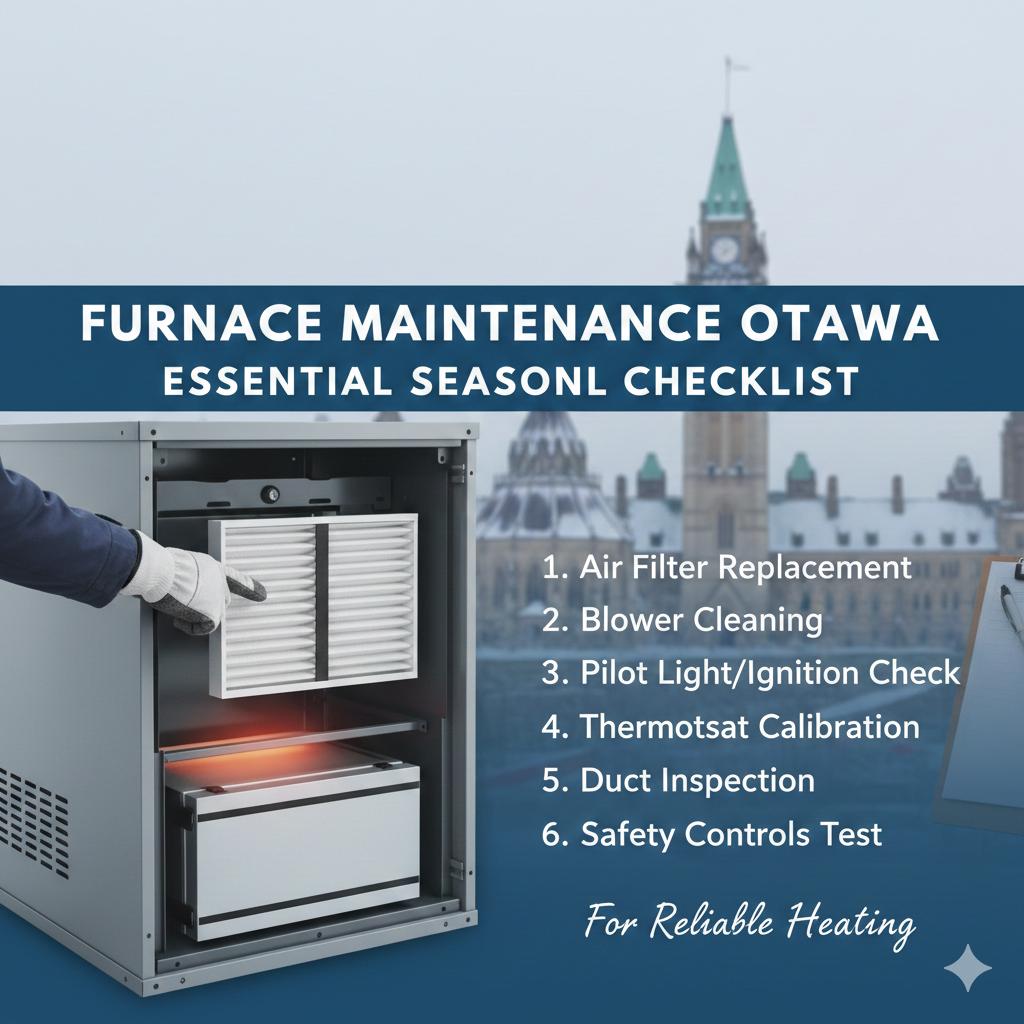
If your furnace struggles or stops working in Langley’s cold months, you need a clear plan and a reliable service to get heat back fast. You can quickly identify common furnace problems and choose a local professional who will fix the issue safely and efficiently.
This article Furnace Repair Langley walks you through typical faults you’ll see in Langley homes, what you can safely check yourself, and how to evaluate technicians and companies so you don’t overpay or wait too long. In Furnace Repair in Langley Expect practical steps to spot problems, questions to ask a service provider, and tips for making repairs and maintenance less stressful.
Common Furnace Issues in Langley
Winters in Langley bring damp, cool conditions that stress furnaces. Expect issues like uneven heating, short cycling, and reduced airflow; these are the most common problems you’ll encounter.
Warning Signs of Furnace Failure
Watch for these clear indicators so you can act before a full breakdown.
- No heat or weak airflow. If vents blow cold air or output is weak, check the thermostat, filter, and fuel supply first.
- Short cycling. Furnace turns on and off frequently; this often points to overheating from blocked vents or a failing blower motor.
- Odd smells or sounds. A persistent musty or rotten-egg odor (natural gas suspect) requires immediate shutoff and professional inspection. Rattling, squealing, or banging suggests loose components or motor issues.
- Rising energy bills. A sudden spike in gas or electric use typically signals lost efficiency from clogged filters, worn burners, or poor combustion.
- Uneven heating. Cold rooms or hot spots mean duct leaks, blocked registers, or zoning control faults.
Address these signs promptly to reduce repair cost and safety risk.
Causes of Heating System Breakdowns
Understanding common causes helps you target fixes more effectively.
- Dirty filters and restricted airflow. Filters clogged with dust force the blower to work harder and can overheat the system. Replace filters every 3 months or monthly with heavy use.
- Thermostat and control failures. Incorrect calibration, dead batteries, or wiring faults produce no-heat complaints and erratic cycles. Test with a spare thermostat if you suspect it.
- Fuel and ignition problems. In Langley, low propane or gas supply interruptions and faulty igniters/pilot assemblies are frequent causes of failure. Check supply and pilot light status.
- Mechanical wear. Bearings, belts, and blower motors wear with age; belts can fray and bearings can seize, causing noise and shutdowns.
- Moisture-related corrosion. Langley’s damp climate accelerates rust on heat exchangers and flue components, risking cracks and safety shutdowns.
Prioritize safety-related issues (gas odors, cracked heat exchangers) for immediate professional service.
Troubleshooting Tips for Homeowners
Use these practical, safe steps before calling a technician.
- Check thermostat settings and power. Confirm thermostat set to “heat,” temperature set above room temp, and batteries or breaker are OK.
- Inspect and replace the air filter. A clogged filter is the simplest fix; swap it and retest the system.
- Reset the furnace. Turn off power at the switch or breaker, wait 60 seconds, then restart to clear minor electronic faults.
- Look for obvious blockages. Ensure vents and returns are open and unobstructed; clear debris from the outdoor intake and exhaust.
- Listen and note patterns. Record noises, times of failure, and thermostat behavior to give a clear description to a technician.
- When to call a pro. Contact a licensed HVAC technician for gas smells, persistent ignition failures, cracked heat exchangers, or if troubleshooting doesn’t restore normal operation.
Follow these checks to resolve simple issues quickly and to give a technician the information they need for faster repairs.
Choosing a Professional Furnace Service
You need a technician who is certified, insured, responsive, and familiar with the make and model of your furnace. Expect clear pricing, written guarantees, and a maintenance plan that prevents emergency calls.
Factors to Consider When Hiring Technicians
Verify licensing and certifications before you book—look for Gasfitter certification or equivalent provincial credentials and Red Seal where applicable. Ask for proof of liability and workers’ compensation insurance to protect you if a technician is injured on your property.
Check experience with your furnace type: gas, electric, modulating or high-efficiency systems require different diagnostics and parts knowledge. Request references or recent reviews from Langley customers and note response time for emergency calls.
Get a written estimate that lists labor, parts, and diagnostic fees. Confirm whether the company uses factory-authorized parts and whether technicians receive ongoing manufacturer training. Insist on a clear arrival window and technician identification on-site.
Service Guarantees and Warranties
Ask each provider to put warranty details in writing: duration, what parts and labor are covered, and any conditions that void coverage. Distinguish manufacturer warranties (on the furnace) from the contractor’s work warranty (on repairs and installations).
Look for a 30–90 day workmanship guarantee at minimum; longer terms indicate confidence in the work. Confirm how warranty claims are handled—who you call, expected response time, and whether on-site diagnostics are free within the warranty window.
Clarify parts sourcing: OEM parts preserve warranty and performance, while generic parts may be cheaper but could affect system longevity. Make sure any new parts installed come with their own manufacturer warranty and documentation.
Importance of Regular Maintenance
Schedule annual or biannual tune-ups tailored to your furnace type—typically once before winter for gas furnaces, and once in spring for heat pumps or combined systems. Regular maintenance reduces breakdown risk and preserves efficiency.
During a service visit, expect filter replacement or cleaning, heat exchanger inspection, flame sensor and ignition checks, venting and carbon monoxide tests, and system calibration. Ask for a written checklist of tasks performed and any recommended follow-up.
Consider a maintenance agreement that includes priority scheduling, discounted diagnostic fees, and waived trip charges for covered repairs. Track service dates and invoices to maintain manufacturer warranty compliance and to support future resale value.
About The Author

 Deck Repair Near Me: Affordable Local Solutions for Rot and Structural Damage
  Waterloo Realtor: Expert Local Guidance for Buyers and Sellers
  Buy Pasties Online: Expert Guide to Styles, Fit, and Safe Shopping
  SEO Agency Toronto: Proven Strategies to Grow Local Visibility and Traffic
  Landfill Diversion Strategies for Businesses and Municipalities
  Field Workforce Management Software: Optimize Scheduling, Tracking, and Productivity
  Carpet Retailers Near Me: Expert Guide to Finding Quality Local Flooring