

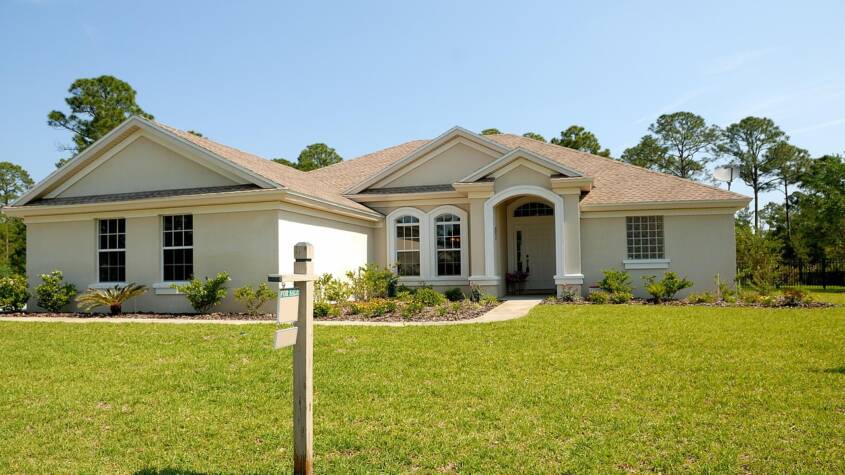
A custom home builder specializes in creating homes tailored to the unique needs and preferences of each client. They oversee the entire process, from design and material selection to construction and project management, ensuring the final product matches the homeowner’s vision. A reputable custom home builder provides a fully integrated service that combines design, budgeting, and building expertise to deliver a personalized living space.
Working with a custom home builder allows for control over every aspect of the home, including layout, style, and finishes. This approach contrasts with buying a pre-built house, offering flexibility and the ability to customize details that fit individual lifestyles. Builders often provide transparency in pricing and timelines, which helps clients stay informed and confident throughout the project.
The role of a custom home builder varies by company but commonly includes collaboration with architects, suppliers, and contractors to ensure efficient execution. Whether someone wants to act as their own general contractor or prefers a full-service experience, the builder adapts to meet those needs. This personalized approach results in a home that reflects the client’s taste and functional requirements.
Custom Home Builder Services
Custom home builders provide a range of specialized services aimed at creating homes that meet exact client preferences and site conditions. From initial design choices to managing the construction timeline, these services ensure quality, efficiency, and alignment with the homeowner’s vision.
Personalized Design Consultation
This service begins with in-depth discussions to understand the client’s lifestyle, needs, and design preferences. Builders collaborate with architects and designers to develop detailed plans tailored specifically for the homeowner. Custom features, materials, and layouts are carefully selected to maximize functionality and aesthetics.
Builders often use digital tools, such as 3D models and virtual walkthroughs, to help clients visualize the final design. This process allows for revisions and refinements before construction starts, reducing errors and disappointment later. The goal is a unique home that reflects personal style while staying within budget.
Site Selection and Evaluation
Site evaluation is critical in custom home building, as location directly affects design and construction feasibility. Builders assess land topography, soil quality, drainage, and local zoning regulations. This assessment informs decisions about foundation type, orientation, and necessary site preparation.
Choosing the right site may also involve considering neighborhood characteristics and access to utilities. Builders provide expert advice on how the site’s attributes influence design options and overall costs. Proper evaluation helps prevent costly delays and structural issues in the future.
Project Management Process
Project management services coordinate all phases from permitting through final inspection. Builders develop timelines, schedule subcontractors, and oversee procurement of materials. They ensure that each task aligns with the planned schedule to avoid costly overruns.
Regular communication with the client updates them on progress and any challenges. Quality control measures are implemented throughout to meet construction standards. Builders also handle inspections and troubleshooting, ensuring the home complies with all codes and specifications.
Selecting the Right Custom Home Builder
Choosing the ideal builder involves careful examination of their background, tangible work, and contract details. Each factor contributes directly to the project’s quality, timing, and cost management.
Evaluating Builder Experience
Experience is fundamental when choosing a custom home builder. A seasoned builder has likely faced a wide range of challenges and learned how to manage them efficiently. This reduces risks of delays or budget overruns.
Look for builders who specialize in the type of home you want. For example, if you desire a modern architectural style, find a builder with a portfolio in that area. Experience with local building codes and regulations is also critical, as it affects project approval and compliance.
Check if the builder holds relevant licenses, certifications, and insurance. These credentials are basic indicators of professionalism and reliability.
Reviewing Past Projects
Examining past work gives insight into a builder’s quality and attention to detail. Request a portfolio or visit completed homes if possible. Focus on craftsmanship, material quality, and finish consistency.
Ask for client references and follow up with them. Clients can provide honest feedback on communication, timeline adherence, and how the builder handled issues.
A transparent builder often shares both successes and challenges from previous projects. This transparency can indicate trustworthiness and commitment to customer satisfaction.
Understanding Contract Terms
The contract is the legal framework governing the relationship between the homeowner and builder. It should clearly state the scope of work, timeline, payment schedule, and materials to be used.
Pay attention to warranty coverage and procedures for handling changes or unforeseen issues. A detailed contract minimizes misunderstandings and protects both parties.
Builders who provide clear, straightforward contracts with no vague terms generally indicate professionalism and reduce the chances of disputes during construction.

British Virgin Islands Company Registration Guide for 2025 Compliance and Benefits
The British Virgin Islands Company Registration process is straightforward, efficient, and…




Digital Marketing Companies in Toronto: Driving Success in a Competitive Landscape
Toronto is home to a vibrant community of digital marketing companies, each offering a …